
Ingredients and safety
Ingredients and safety
What to look for, what to avoid, and how the Reformer masks fit alongside the rest of your routine. Both Reformer masks are fragrance-free, alcohol-free and free of acids and retinoids.
1. What ingredients should I look for in a face mask?
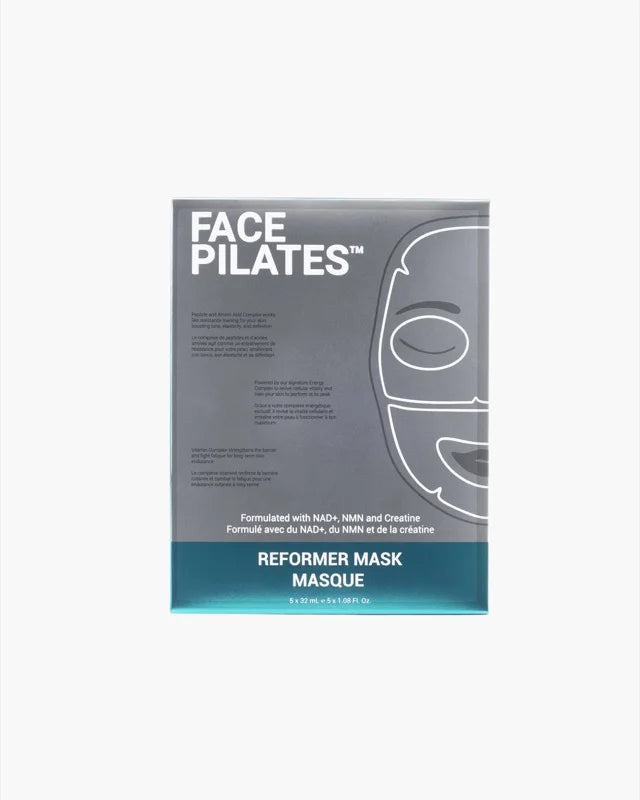
For hydration: glycerin, sodium hyaluronate (ideally in multiple molecular weights), betaine, trehalose, and panthenol. For barrier support: ceramides and panthenol. For post-treatment recovery, avoid fragrance, essential oils, exfoliating acids and retinoids. The Reformer Face Mask is formulated around the first list and contains none of the second.
2. What ingredients should I avoid in eye masks?
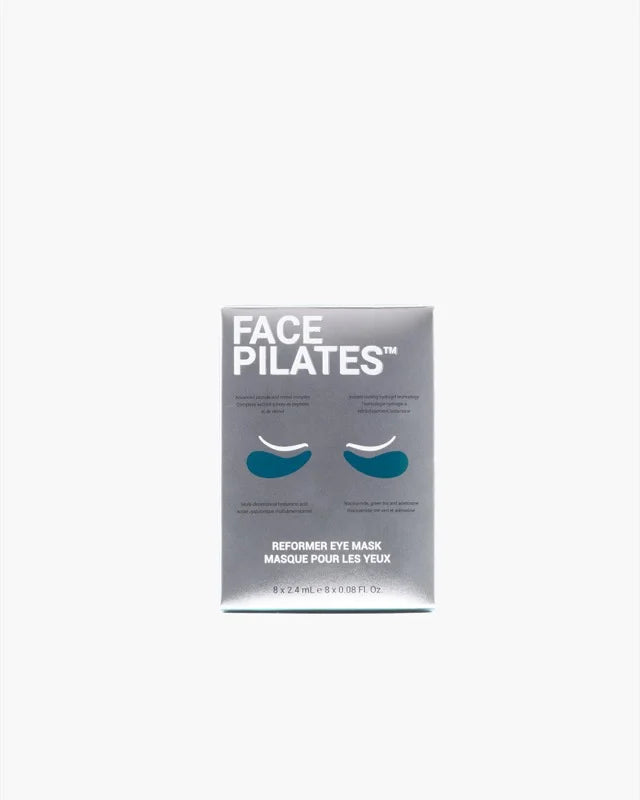
Avoid fragrance, essential oils, alcohol, exfoliating acids, high dose retinoids and anything with a high pH near the eye. The skin around the eye is the thinnest on the body and the most reactive to irritants. The Reformer Eye Mask is formulated without any of these (it uses low-dose, buffered retinol formulated specifically for the delicate under-eye area), which is why it is safe to use after injectables and in-clinic treatments.
3. Is hyaluronic acid good for the eye area?
Yes. Hyaluronic acid (its salt form, sodium hyaluronate) is a humectant that draws water to the skin. Multi-weight hyaluronic acid works on the surface and in the upper layers of the skin simultaneously, which is why it appears in most professional eye treatments. The Reformer Eye Mask uses multi-weight hyaluronic acid as part of its hydrating complex.
4. What is panthenol and is it safe?
Panthenol is the alcohol form of vitamin B5. It is a barrier-supportive and mildly anti-inflammatory ingredient widely used in post-procedure dermatology products. It is considered safe for all skin types and is well tolerated by reactive skin. Both Reformer masks contain panthenol.
5. Are fragrance-free masks better for sensitive skin?
Yes. Fragrance is the single most common cause of allergic contact dermatitis in cosmetic products, and natural fragrance (essential oils) is no safer than synthetic. Both the Reformer Face Mask and Reformer Eye Mask are fully fragrance-free.
6. Is biocellulose safe during pregnancy?
The substrate itself is inert. What matters during pregnancy is the formula. Avoid masks containing retinoids, salicylic acid at high concentrations, and hydroquinone. The Reformer Face Mask contains none of these — only hydrating and barrier-supportive actives. Always confirm with your physician before introducing any new product during pregnancy.
7. Are these masks safe while breastfeeding?
The Reformer masks contain only hydrating and barrier-supportive ingredients, none of which are contra-indicated during breastfeeding. As always, confirm with your physician if you have any specific concerns.
8. Can I use a face mask with retinol?
Yes, but separate them. Use retinol at night, on dry skin, on its own. Use a hydrating mask such as the Reformer Face Mask on alternate nights or in the morning. Layering active retinol under an occlusive mask increases its delivery and can cause irritation. If your skin is recovering from retinol use, the Reformer Face Mask is a sensible recovery step because it contains no other actives.
9. Can I use an eye mask with eye serum?
Yes — after, not under. Apply the Reformer Eye Mask first on clean skin. After removal, pat in any remaining serum, then apply your eye serum or eye cream on top. The eye mask preps the skin so the daily product absorbs more efficiently.
10. What is the difference between glycerin and hyaluronic acid?
Both are humectants — they pull water into the skin. Glycerin is smaller and works closer to the surface, with a long safety record across all skin types. Hyaluronic acid, in its sodium hyaluronate form, can be made in different molecular weights so it works at different layers. The most effective hydrating masks use both, which is the approach taken in the Reformer Face Mask.
Begin the routine used at AMAN Spa Toronto.
Shop the Reformer Mask collection · Reformer Face Mask · Reformer Eye Mask