The Science

Beautiful skin is an energy problem.

Most skincare treats the surface and calls it a result. The Reformer Collection treats the cells that build the surface — because those cells need energy to do that work, and when they have it, your skin renews itself and looks like itself at its best. The page that follows explains how that science works, and why it matters for what you put on your face.

Overview

Your looks come from the inside out.

A healthy body achieved through proper nutrition, supplementation, and exercise looks more aesthetic. The same is true for your face. The healthier your skin cells and tissues are on the inside, the better they function, the better they feel, and the better they look. The Reformer Collection was built on three principles that flow from that single fact.

Principle 01

Surface treatment is temporary.

Most skincare targets the outermost layer of your skin to give you instant, visible results. Those results fade because the cells of that layer turn over and slough off — about every twenty-eight days in your twenties, longer as you age. Nothing applied to dead cells lasts.

Principle 02

Lasting change is cellular.

To produce results that hold, a formula has to reach the cells doing the actual building — the keratinocytes of the epidermis, the fibroblasts of the dermis. Those cells need fuel to produce collagen, retain water, repair damage, and renew themselves.

Principle 03

Energy is the limiting factor.

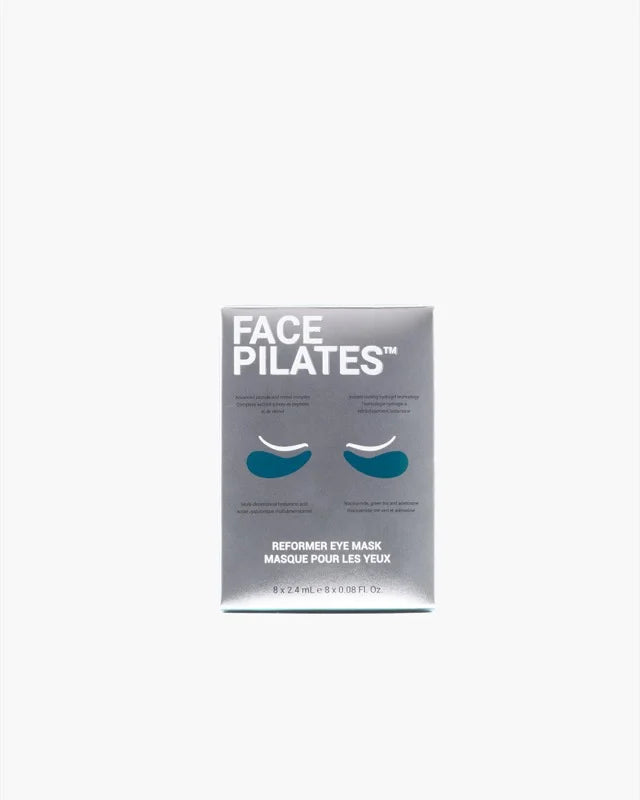
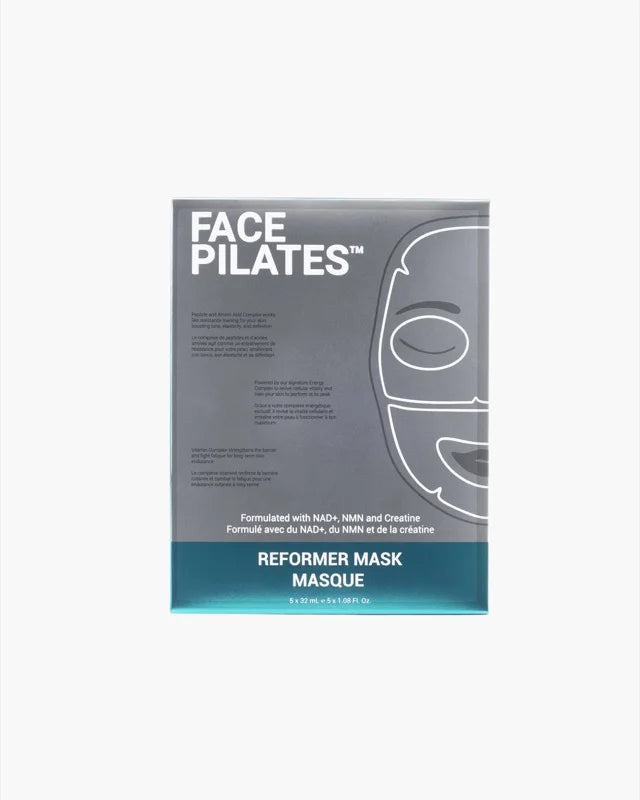
Cells run on ATP, produced by their mitochondria. When ATP is plentiful, every other ingredient in a formula gets used efficiently. When ATP is low, the most expensive actives in the world sit on the surface and wash off. The Reformer Face Mask supports ATP production directly.

The Foundation Of Your Skin

Skin cells and layers.

Your skin is made up of three main layers: the epidermis, the dermis, and the hypodermis (also called subcutaneous tissue). Each plays a different role in what you see in the mirror, and a complete approach to skin health has to consider all three.

The epidermis is the outermost layer and the most important cosmetically. It gives your skin its texture, its moisture level, its colour, and the way it reflects light. It is the difference between skin that looks dull and feels rough and skin that looks radiant and feels smooth. This is the layer most skincare products target, because changes here are the fastest to become visible.

The dermis sits beneath the epidermis. It contains the collagen and elastin fibres that give your skin its structure and bounce, the fibroblasts that produce those fibres, and the network of blood vessels and lymphatic channels that feed and clear the tissue above. Real, lasting change in how your face looks requires reaching this layer too.

The hypodermis is the deepest layer — subcutaneous fat and connective tissue. It provides insulation, cushioning, and the contour of your face. Most topical treatments do not reach this layer, but its health affects how your face holds its shape.

The Skin Layer That Faces The World

The epidermis, up close.

Keratinocytes make up the great majority of the epidermis — somewhere around ninety percent of its cells. They provide structural support and physical protection against toxins and pathogens. They form your skin barrier. They prevent water loss, respond to stressors, and can sense peptide signals from products you apply on top. They also help build the extracellular matrix — the network of proteins, including collagen, that supports skin structure and hydration from underneath.

The state of your keratinocytes determines how your skin reads to anyone who looks at it. When they are healthy, they hold water (through structures called natural moisturizing factor, or NMF), maintain a slightly acidic surface pH that keeps the skin microbiome stable, and produce lipids that lock the barrier shut. When they are stressed — by sun, pollution, sleep loss, or simply the slow decline of energy production with age — that barrier becomes leaky. Moisture evaporates faster than it can be replaced. Inflammation rises. The visible result is what you would expect: dryness, sensitivity, dullness, redness, and the slow accumulation of fine texture changes that look like aging.

Worth Knowing

Healthy keratinocytes cycle from the basal layer (where they are born) to the stratum corneum (where they slough off) in roughly twenty-eight days when you are young. By age fifty, the same journey can take forty days or more. Slower turnover is one of the most visible drivers of dullness, uneven texture, and a face that looks tired even when it is not.

Power Stations Of Cells

Mitochondria — and why they matter.

Most of your cells, including your skin cells, contain a tiny organelle called the mitochondrion. They are the powerhouse of the cell. A single skin cell can contain hundreds to thousands of them. They are responsible for energy production, and they are the primary organelle affected by both intrinsic aging (the slow internal clock of your biology) and extrinsic aging (sun, pollution, stress, sleep loss, alcohol — everything outside).

Mitochondria produce ATP, which is the currency every cell uses to function. ATP is produced through a chemical process called oxidative phosphorylation, which is the final stage of a series of reactions called the Krebs cycle. Energy is needed for cells to do everything that matters cosmetically: to divide, to differentiate, to repair damage, to clean up their environment, and to produce the extracellular matrix and the proteins that hold your skin together.

When mitochondria do not work well, your skin ages. If your cells do not produce enough ATP, your skin cannot pay the cost of looking good and being healthy. And here is the uncomfortable truth most skincare avoids: there are no known topical ingredients that repair damaged mitochondria. You have to work on supporting their health and preventing damage to them. Once they are damaged, they stay that way until the cell itself turns over.

~50% Decline in cellular NAD+ levels between age 20 and age 60
~1,000 Mitochondria estimated in a single active skin cell
~95% Of a cell’s ATP is produced inside its mitochondria
How Mitochondria Make Energy

The Krebs cycle, explained simply.

The Krebs cycle — also called the citric acid cycle or the TCA cycle — is a series of enzymatic reactions inside the mitochondria that create ATP, the energy currency of a cell. It was first described by Hans Krebs in 1937. He won the Nobel Prize for it in 1953. It is the central chemistry of how every cell in your body produces energy.

The cycle is exactly what it sounds like: a loop. Fuel molecules from the food you eat (glucose, fatty acids) are broken down into a compound called acetyl-CoA, which enters the cycle. As acetyl-CoA travels around the loop, the cycle's intermediary molecules carry off electrons and pass them to the electron transport chain, which uses those electrons to make ATP. A single molecule of glucose, fully oxidised, yields roughly thirty molecules of ATP. That is a remarkable energy multiplier — when it is running well.

Here is the catch. The cycle's intermediary products can also be used by the cell to build other things — amino acids, fatty acids, signalling molecules — which removes them from energy production. If your cells run short of these intermediaries and supportive molecules, energy production slows down and your cells start to ration ATP. Repair gets delayed. Collagen synthesis drops. The visible appearance of your skin softens, dulls, and ages. Three molecules in particular are essential to keeping the cycle running at full capacity.

The Three Ingredients

What we put in the formula, and why.

Three molecules sit at the heart of energy production in your skin cells. The Reformer Face Mask delivers all three at clinically relevant doses. Each does a job the others cannot.

NAD+

The coenzyme energy depends on.

Nicotinamide Adenine Dinucleotide. NAD+ is the coenzyme your mitochondria must have to produce ATP. It accepts electrons from fuel molecules during the Krebs cycle, then donates them to the electron transport chain — the step that generates the bulk of your cellular energy.

NAD+ is also used by two families of repair enzymes that matter for skin: sirtuins, associated with longevity, and PARPs, which repair damaged DNA. More NAD+ means more cellular energy, better DNA repair, and stronger protein production — the three foundational processes underneath healthy skin.

NAD+ levels decline with age. Most published estimates put the drop at roughly fifty percent between your twenties and your sixties. Replenishing it directly is one of the most studied strategies in modern longevity science.

NMN

The on-demand backup supply.

Nicotinamide Mononucleotide. NMN is a direct precursor to NAD+. Once inside the cell, an enzyme called NMNAT converts it into NAD+ on demand, smoothing out energy regulation when your cells are under stress.

The strategic value of NMN is that it works as a reserve. NAD+ itself is consumed rapidly during repair and energy production; without resupply, levels can drop within hours of high cellular demand. NMN gives the cell a fast, stable source of NAD+ precisely when it is needed most — under sun exposure, after sleep loss, during the inflammation that follows pollution or stress.

Pairing NMN with NAD+ in a topical formula gives skin both an immediate supply and a sustained reserve. That combination is structurally different from products that include only one or the other.

Creatine

The energy buffer.

Creatine. The same molecule athletes use to support muscular performance is also used by the cells with the highest energy demand throughout your body — muscle, brain, and skin. Inside the cell, creatine reacts with ATP to form phosphocreatine, a high-energy reserve that can rapidly recharge ATP when demand spikes.

For skin, the practical effect is that creatine helps keep ATP production from bottlenecking under stress. It supports cellular metabolism when other systems are pulling on the same energy reserves. In published cosmetic research, topical creatine has been shown to strengthen the skin barrier and improve cellular metabolism in the epidermis.

The trio is the point. NAD+ drives the engine. NMN refills the tank. Creatine acts as the buffer that smooths demand. Together they support cellular energy in a way none of them can do alone.

In Plain Language

Your skin cells need fuel. NAD+, NMN, and creatine are the three ingredients that keep that fuel flowing. The Reformer Face Mask delivers them at meaningful concentrations, so your skin cells have what they need to produce collagen, retain water, and renew themselves — in a way no surface-only treatment can replicate.

The Through-Line

Inner health, outer beauty.

The science is detailed, but the philosophy is simple. Healthy cells build healthy skin. Healthy skin looks like healthy skin. The job of a Face Pilates product — and of the Face Pilates treatment itself — is to support what the skin is already trying to do, with formulas that work at the level the change actually happens. The visible result is a downstream consequence of doing the underlying work properly.

That is the difference between a mask designed to make you look better for a weekend, and a mask designed to make your skin be better — over the eight, twelve, and twenty-four weeks that the studies actually measure.

Join The Movement

Skin science, in your inbox.

Get ten percent off your first order, plus the founder’s notes on what actually works in long-term skin health.

Use code WELCOME10 at checkout for 10% off your first order.