

The Science Of Skin Aging — Part Three Of Three
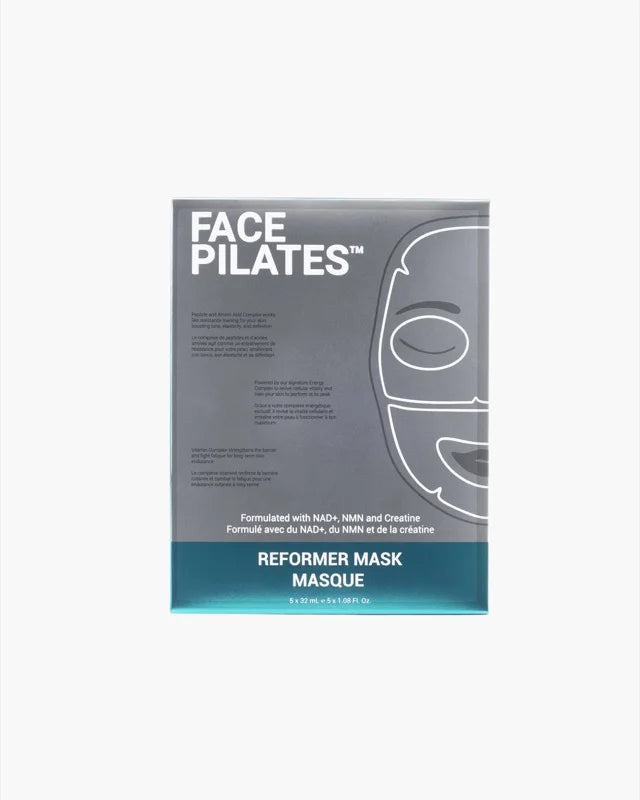
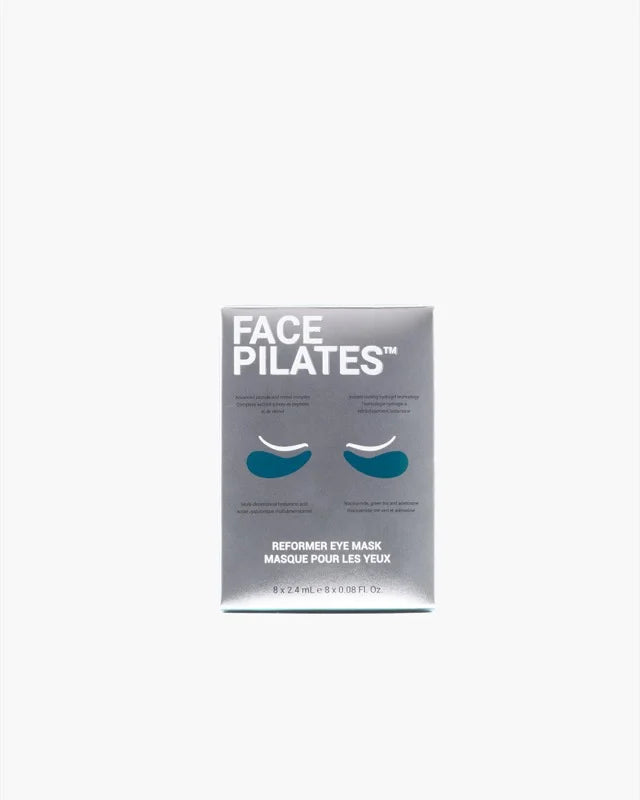
The skin you see in the mirror is the end of a long supply chain. Three things, more than any others, keep that surface looking alive: a quiet inflammatory balance, an intact moisture barrier, and a working circulation to deliver what skin needs and carry away what it does not. This final article in the series follows what happens to each as we age — the low-grade inflammation that smoulders at tissue level, the barrier that begins to leak, and the slowing of blood and lymph that leaves skin looking dull and puffy. As before, the order is plain language first, then the science, then the ingredients in the Reformer Face Mask and Reformer Under-Eye Mask studied for each.
The first two articles followed ageing inward and structural: the cell's interior, then the framework beneath the skin. This one stays at the surface — which is, conveniently, the layer that responds the fastest. Inflammation can be calmed. A barrier can be rebuilt within days. Circulation can be moved in a single session. None of it undoes the deeper hallmarks, but all of it changes how the skin looks now, and a surface in good order is the precondition on which every slower process depends.
Chronic inflammation, or “inflammaging”
As we age, the immune system settles into a state of low-grade, persistent inflammation — not acute or visible, but smouldering at tissue level every day. This “inflammaging” is one of the engines behind faster collagen breakdown, a weaker barrier and a duller, less even complexion. Calming it is one of the most useful things skincare can do.
The term inflammaging was coined around the year 2000 by the immunologist Claudio Franceschi and colleagues, to describe the chronic, sterile, low-grade inflammation that accompanies biological ageing. In skin it is driven by several sources at once: senescent cells releasing inflammatory signals, immune sensors triggered by debris from damaged mitochondria and fragmented matrix, and a shifting skin microbiome. A transcription factor called NF-κB sits near the centre of this state, switching on inflammatory messengers and matrix-degrading enzymes; reactive oxygen species from tired mitochondria amplify the cascade, and stagnant interstitial fluid carries the messengers further into the tissue. The result is a self-reinforcing loop that degrades the matrix and disturbs the barrier. The sensible response combines anti-inflammatory and antioxidant ingredients with something the next hallmarks return to — mechanical drainage.
In the Reformer Face Mask
Centella Asiatica Aloe Vera Ectoin Allantoin Zinc Gluconate Horse Chestnut Caffeine
The Reformer Face Mask carries a broad calming set. Centella asiatica and aloe are long-established soothing botanicals; ectoin is a stress-protectant that helps buffer cells against environmental triggers; allantoin and zinc gluconate are gentle, well-known comforting agents. Horse chestnut and caffeine address the vascular side of inflammation — the puffiness and congestion — which the third hallmark below takes up in full.
In the Reformer Under-Eye Mask
Niacinamide Allantoin Dipotassium Glycyrrhizate Matrine Green Tea Extract
The Reformer Under-Eye Mask brings calming actives suited to the delicate periorbital zone. Niacinamide is among the best-studied ingredients for a comfortable, resilient barrier; dipotassium glycyrrhizate, from licorice root, is a well-regarded anti-irritant; matrine is a plant alkaloid used for its soothing character; and green tea polyphenols are antioxidants that help temper the oxidative side of inflammation.
In the studioLymphatic drainage clears inflammatory messengers and cellular waste from the tissue by mechanical means rather than chemical. Cooling with cryo-globes encourages vasoconstriction, and red and near-infrared LED is studied for modulating inflammatory signalling in the dermis.
The barrier and the loss of hydration
The skin's outer layer is a barrier — against water leaving and against irritants entering. As that barrier weakens with age, moisture escapes, irritants penetrate more easily, and skin loses the plump, dewy quality of youth. Rebuilding the barrier is foundational: no active ingredient performs well in dehydrated, compromised skin, and a leaking barrier accelerates nearly every other hallmark.
The outermost layer, the stratum corneum, holds water through three things working together: a matrix of lipids (ceramides, cholesterol and fatty acids), tight-junction proteins that seal the cells, and a set of small water-binding molecules collectively called natural moisturising factor. With age, the skin makes less of the protein filaggrin that feeds that natural moisturising factor, fewer barrier lipids, and less oil — so water loss through the surface rises and the skin becomes more permeable to irritants. Deeper down, hyaluronic acid, the dermis's principal water-binding molecule, declines markedly; reviews of the literature put the fall at roughly half by the age of fifty. The strategy is layered: draw water in, hold it there, and rebuild the lipids that seal it.
In the Reformer Face Mask
Glycerin Betaine Trehalose Sodium Hyaluronate Panthenol
The Face Mask is a multi-mechanism hydration system. Glycerin and betaine are humectants that draw water into the surface layers; trehalose is a sugar that helps protect cell membranes through dryness; sodium hyaluronate binds water in the skin; and panthenol, provitamin B5, is valued for supporting a comfortable, resilient barrier. It is the quiet groundwork beneath the mask's more headline actives.
In the Reformer Under-Eye Mask
Sodium Hyaluronate Glycerin Trehalose Aloe Vera Macadamia Seed Oil Glucomannan Irish Moss Extract
Periorbital skin is the thinnest on the face and loses water fastest. The Under-Eye Mask layers humectants with film-forming polysaccharides — glucomannan and Chondrus crispus, or Irish moss — that help hold moisture against the surface. Macadamia seed oil contributes barrier lipids rich in fatty acids that resemble the skin's own, which become scarcer with age.
In the studioThe Face Pilates treatment uses the Reformer biocellulose face mask itself as a treatment medium in place of conventional gels. Biocellulose is a fermentation-derived material whose ultra-fine fibre network conforms closely to the contours of the skin — a closer fit than a loose-weave cotton sheet allows — which supports sustained contact between serum and skin across the treatment.
A barrier in good order is the quiet precondition for everything else — which is why the Reformer Face Mask treats hydration as architecture, not garnish.
Microcirculation and lymphatic stagnation
Healthy skin depends on an active supply chain: blood delivering oxygen and nutrients, lymphatic vessels carrying waste away. Ageing slows both. The result is dull, tired-looking skin, lingering puffiness, shadowed under-eyes, and a poorer environment for every kind of repair. Restoring flow is not a cosmetic indulgence — it is a precondition for the rest.
The fine blood vessels of the skin thin out with age, a reduction in capillary density driven by weaker vessel-building signals and by ageing of the cells that line the vessels. The capillaries that remain become less responsive. The consequence is less oxygen and fewer nutrients reaching the upper layers — exactly where visible ageing occurs. The lymphatic network, which clears interstitial fluid and waste, declines in much the same way, its small contractile vessels losing their pumping rhythm. The face has no help from gravity in this, unlike the limbs, so the pattern that results is a chronic, low-level puffiness — most obvious around the eye — alongside a tissue environment that keeps inflammation simmering.
In the Reformer Face Mask
Caffeine Zinc Gluconate Horse Chestnut Grapefruit Extract
The Face Mask addresses the vascular side directly. Caffeine is a methylxanthine that encourages a temporary tightening of superficial vessels, which can briefly reduce the look of puffiness. Horse chestnut contains aescin, shown in research to help stabilise capillary walls and reduce their leakiness. Grapefruit fruit extract supplies flavonoids associated with vascular tone, and zinc gluconate rounds out the mask's calming, conditioning character.
In the Reformer Under-Eye Mask
Niacinamide Grapefruit Extract Raspberry Ketone
The Under-Eye Mask works the same hallmark with actives suited to the eye. Niacinamide supports the lipids and structure around fine vessels, which is relevant to the look of dark circles. Grapefruit fruit extract brings the same vascular-tone flavonoids. Raspberry ketone has been examined in preliminary research for circulation-related effects in skin — an interesting but early line of evidence rather than a settled one.
In the studio — the primary mechanismLymphatic drainage is the physiological centrepiece of the Face Pilates treatment. Rhythmic, low-pressure strokes — by hand, gua sha and facial cups — encourage the small lymphatic vessels to move interstitial fluid toward the lymph nodes of the neck. Contrast therapy, alternating the warmth of LED with the cold of cryo-globes, adds a pumping effect on circulatory flow.
At a glance
| Hallmark | Reformer Face Mask | Reformer Under-Eye Mask |
|---|---|---|
| Inflammaging | Centella, Aloe, Ectoin, Allantoin, Zinc, Horse Chestnut, Caffeine | Niacinamide, Dipotassium Glycyrrhizate, Matrine, Green Tea |
| Barrier & hydration | Glycerin, Betaine, Trehalose, Sodium Hyaluronate, Panthenol | Hyaluronate, Macadamia Oil, Glucomannan, Irish Moss, Aloe |
| Microcirculation & lymph | Caffeine, Zinc, Horse Chestnut, Grapefruit | Niacinamide, Grapefruit, Raspberry Ketone |
The Reformer Collection
The surface is the layer that answers fastest — and the layer where the two Reformer masks were designed to work as a pair. The Reformer Face Mask brings a broad calming and hydration set across the face; the Reformer Under-Eye Mask brings actives chosen for the thinnest, most expressive skin of all. Face for one strategy, eye for another — a single routine for the living surface.
Questions readers ask
What is “inflammaging”?
It is the term for the chronic, low-grade inflammation that accompanies ageing — not the visible, acute kind, but a quiet background state that, over years, accelerates collagen loss and barrier decline. The word was coined by researchers around the year 2000.
Does caffeine in skincare actually reduce puffiness?
It can, temporarily. Topical caffeine encourages a short-term tightening of superficial blood vessels, which is why it appears in products aimed at the look of puffiness. The effect is real but lasts hours, not days — it is a refresher, not a structural change. Caffeine is in the Reformer Face Mask.
Why does the Under-Eye Mask not contain caffeine?
The two masks are deliberately different formulas. The Reformer Under-Eye Mask is a hydrogel built around SYN-AKE peptide, retinol, niacinamide and hyaluronic acid; for the circulation side it uses niacinamide and grapefruit extract rather than caffeine. Caffeine sits in the biocellulose Face Mask.
How quickly can the moisture barrier improve?
The barrier is one of the more responsive parts of skin. With consistent humectants and barrier-supporting lipids, skin can look and feel more comfortable within days — which is part of why hydration is treated as groundwork rather than a finishing touch.
Is lymphatic drainage just a massage trend?
The lymphatic system is real anatomy, and it does slow with age. Gentle, rhythmic drainage techniques are used to encourage fluid movement and reduce the look of puffiness. It is a sensible, well-established practice — the centrepiece of the Face Pilates treatment — rather than a passing trend.
Across three articles, the picture has been the same one drawn at three depths: the cell's interior, the framework beneath the skin, and the living surface. No single mask or treatment reverses ageing — nothing honestly can — but the science does point somewhere clear. Skin does best with energy, structure and a calm, well-supplied surface, addressed together and steadily. That is the thinking behind the Reformer Face Mask, the Reformer Under-Eye Mask and the Face Pilates treatment: not a promise, but a method.
A note on languageThis article is educational. The Face Pilates Reformer masks are cosmetic products; the research described here concerns the ingredients and biological processes themselves, and is not a claim that any product treats, prevents or alters a medical condition or bodily function.
Selected references:
- Franceschi C, Campisi J. Chronic inflammation (inflammaging) and its role in age-related disease. pmc.ncbi.nlm.nih.gov/articles/PMC6146930
- Papakonstantinou E, et al. Hyaluronic acid: a key molecule in skin aging. Dermato-Endocrinology, 2012. pmc.ncbi.nlm.nih.gov/articles/PMC3583886
- Caffeine and the skin — review of topical effects. ncbi.nlm.nih.gov/pmc/articles/PMC3003984
- Aescin (escin) and venous / capillary-wall activity — review. pmc.ncbi.nlm.nih.gov/articles/PMC7144685
- Harada N, et al. Raspberry ketone, dermal IGF-1 and sensory neurons. Growth Hormone & IGF Research, 2008 (small preliminary study). pubmed.ncbi.nlm.nih.gov/18321745
