

Ingredients, decoded • Face Pilates Journal
Creatine for Skin: The “Energy Ingredient” I Didn’t Want to Believe In—Until I Read the Studies
A skeptical, science-backed look at creatine’s role in cellular energy support, resilience, and the visible signs of aging—through the Face Pilates lens.
Creatine had always lived in my mental category of “gym supplement”—a useful thing for muscle, maybe brain, but irrelevant to skin. In skincare, we’re trained to look for the classics: retinoids, vitamin C, sunscreen, peptides. Creatine felt… off-brief. Too performance-y. Too bodybuilder.
But then I stumbled into a different story—one that starts with a simple, elegant idea: skin is energy-hungry tissue. And many visible “aging” outcomes—dullness, laxity, slower recovery from stress—have an energy component. Once you look through that lens, creatine stops sounding trendy and starts sounding inevitable.
Face Pilates philosophy: beauty that behaves like wellness—supporting how skin functions, not just how it looks.
If you’re new here, start with the treatment: Face Pilates Signature Treatment —where fascia, circulation, and facial muscle tone meet modern skin science.
The Skeptic’s Case: “Isn’t Creatine Just… for Muscles?”
Skepticism is healthy. The skincare world loves to borrow sciencey language, sprinkle it into marketing, and call it innovation. So here were my initial questions:
- Does creatine even belong in skin biology?
- Can it penetrate? Or does it sit on top like an expensive label?
- Are there human studies with real outcomes (firmness, wrinkles, sagging)—not just test-tube optimism?
The turning point was discovering that skin contains a real, measurable energy system involving creatine—complete with enzymes designed to use it. This isn’t metaphor. It’s infrastructure.
Editorial-to-Scientific: Skin Runs on Energy (ATP). Creatine Helps Refill the Tank.
Your skin is not passive wallpaper. It is a living organ that constantly repairs, renews, defends, and adapts. All of that requires energy—specifically ATP (adenosine triphosphate), the cell’s “spendable” currency.
Here’s the key: the body uses a rapid buffering system called the creatine–phosphocreatine (PCr) system. When demand spikes (stress, UV exposure, inflammation, repair), phosphocreatine helps regenerate ATP quickly via creatine kinase. This is well-established in exercise physiology—and it also exists in skin.
Quick translation
If ATP is “cash,” phosphocreatine is your “instant transfer.” Creatine is the ingredient that helps keep that transfer system stocked.
Does Skin Actually Use Creatine? Yes—Skin Has a Creatine Kinase System.
Researchers have described a functioning creatine kinase system in human skin and explored its protective role under stress. In plain terms: skin cells appear able to use creatine to support energy balance and resilience during oxidative and UV-related strain.
That matters because oxidative stress and UV exposure don’t only “damage” skin—they also increase the energetic cost of repair. Supporting energy homeostasis is one way to support graceful recovery.
The Two Questions That Matter: Can Creatine Penetrate—and Does It Change What You See?
1) Penetration: Can topical creatine reach the skin layers where it matters?
Clinical and formulation research has examined dermal penetration of creatine from face-care products, indicating that creatine can be delivered into skin from topical formulations under study conditions.
2) Visible outcomes: Firmness, wrinkles, sagging
Several human studies have investigated topical formulations containing creatine (often alongside other supportive ingredients). Reported outcomes include improvements in measures related to firmness and visible photoaging markers over multi-week use in adult participants. While not every study isolates creatine as the only active, the direction of evidence is difficult to dismiss: topical creatine is not just plausible—it’s cosmetically consequential.
Skeptic note (and it’s important): When creatine is combined with other ingredients (e.g., folic acid), results represent the formulation—not one ingredient in isolation.
Still, across mechanistic work + penetration work + human outcomes, creatine repeatedly shows up as a meaningful contributor.
Why “Energy-First” Skincare Feels Like the Missing Middle
Modern skincare often splits into two extremes: (1) surface-level cosmetics that temporarily blur, and (2) aggressive actives that force rapid change. The Face Pilates approach is different: support skin performance—the way wellness supports the body.
Creatine fits that philosophy because its story isn’t “instant lift.” It’s: better energetic readiness, better resilience under stress, and better capacity to maintain structural integrity. In other words: not a bandage—more like metabolic support.
Who Might Benefit Most From Creatine in Skincare?
- Urban skin dealing with oxidative stress (pollution, lifestyle load, inconsistent sleep).
- Photoexposed skin looking to support resilience and recovery alongside daily SPF.
- “Tired-looking” skin—dullness, less bounce, slower rebound after stress.
- Men’s skin and anyone who prefers “function-first” skincare that feels clinical, not cosmetic.
This isn’t a replacement for sunscreen or retinoids. Think of creatine as a supporting actor that makes your core routine work under pressure.
How to Use Creatine in a Routine (Without Overcomplicating Your Life)
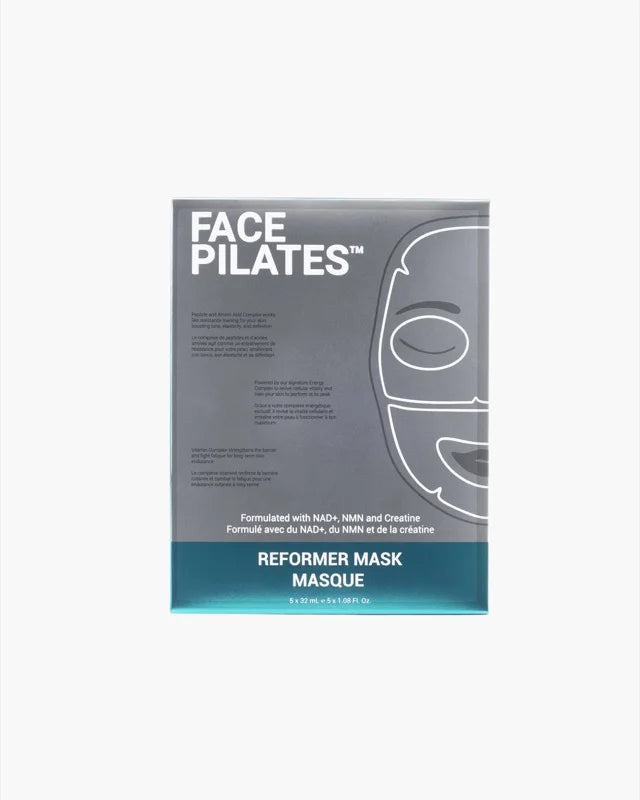
- Morning: cleanse → creatine-support step (Face Pilates Reformer mask) → moisturizer → SPF.
- Evening: cleanse → your primary active (if you use one) → barrier support.
- 1–3x weekly: use a creatine-forward mask as a “recovery session” for skin.
Soft luxury, performance-first
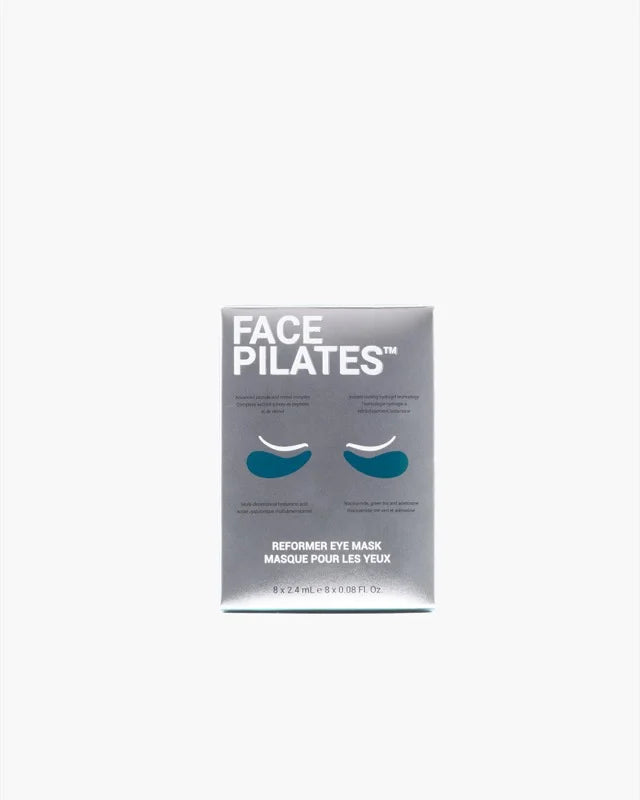
Explore Face Pilates Reformer Masks—designed as skincare-as-a-supplement: Reformer Face Mask and Reformer Under-Eye Mask.
Prefer hands-on results? Pair with the Face Pilates treatment for a full “function-first” reset.
Final Verdict: The Skeptic Becomes a Convert
I began this thinking creatine was a fitness trend trying to sneak into skincare. I ended it convinced that creatine is something else entirely: a biologically relevant energy-support ingredient with credible mechanistic grounding and meaningful human data in topical use contexts.
Not every skincare ingredient deserves a place in a luxury routine. Creatine does—because it respects the skin’s reality: it must function well to look well.
If Face Pilates is about training and supporting what’s already there—muscle tone, fascia glide, circulation, recovery—then creatine is the skincare parallel: support the energy system, and the surface follows.
A Note on Safety (Topical and Oral)
Topical creatine is generally used in cosmetic contexts, but sensitivities can happen with any ingredient—patch test if you’re reactive. Oral creatine is widely studied in sports medicine and is considered safe for many healthy adults when used appropriately, but it may not be suitable for everyone (for example, certain kidney conditions; pregnancy—always ask a clinician).
FAQ: Creatine for Skin
What does creatine do for skin?
Creatine supports the phosphocreatine system that helps regenerate ATP (cellular energy). In skin research, creatine has been explored for energy support under stress, protective effects, and improvements in visible aging markers when used in topical formulations.
Is creatine good for wrinkles?
Studies on topical formulations containing creatine have reported improvements in visible signs of photoaging such as wrinkles/sagging over several weeks. Some research also links creatine to collagen-related pathways in dermal cells, which may support firmness.
Can topical creatine penetrate skin?
Formulation studies have specifically examined dermal penetration of creatine from face-care products, supporting the idea that topical delivery into skin is feasible under tested conditions.
Does creatine replace vitamin C, retinol, or sunscreen?
No. Think of creatine as “supportive infrastructure”—helping skin manage energy demand and resilience—while sunscreen remains essential for UV protection and retinoids/vitamin C address other pathways.
Is creatine suitable for men’s skincare?
Yes—creatine’s “function-first” profile makes it a strong fit for men’s routines and for anyone who prefers performance-oriented skincare that supports how skin works, not just how it looks.
